

January 30th, 1944
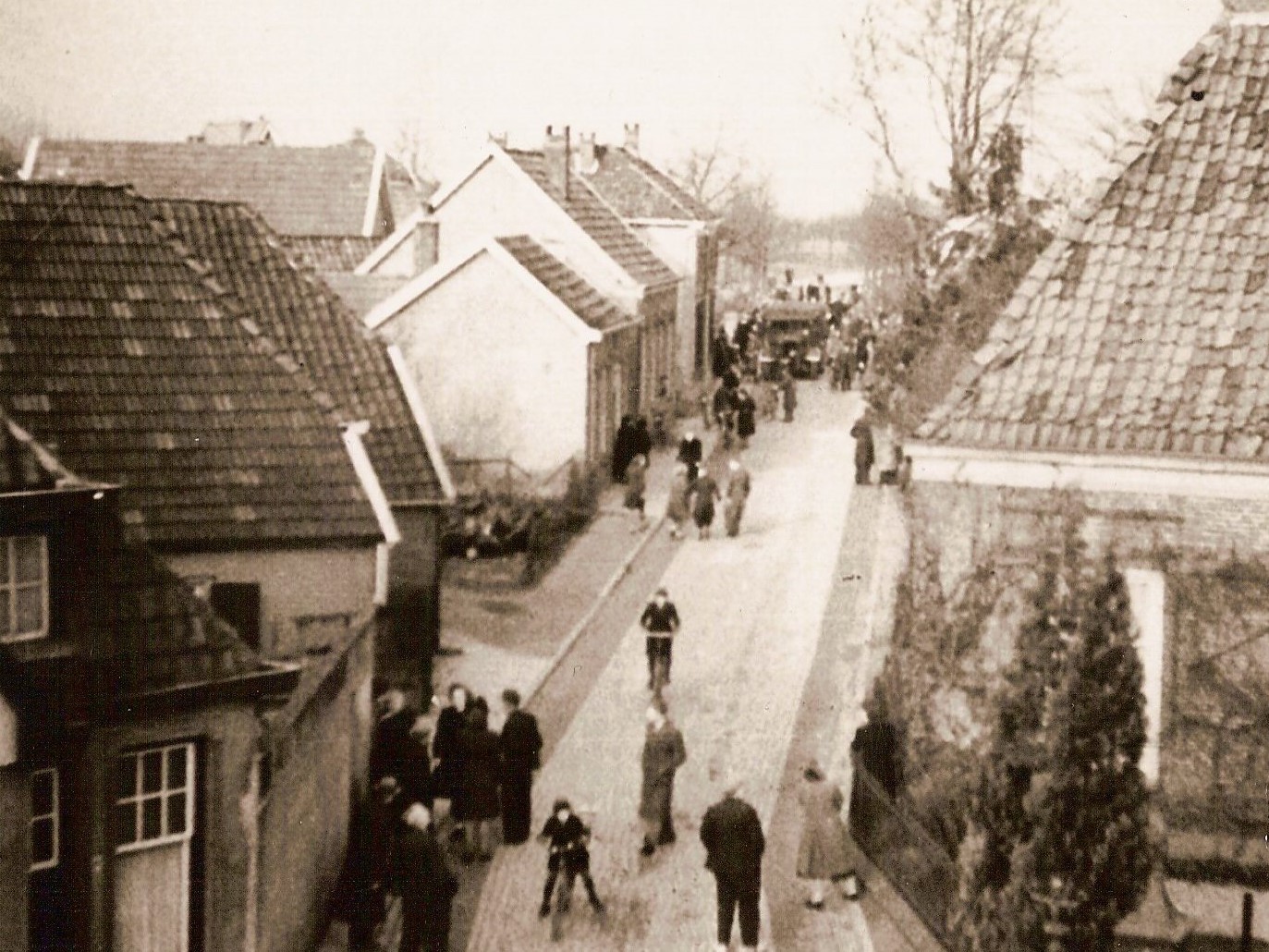
On Sunday, January 30, 1944, 48 young men were arrested during a raid by the German occupiers on two churches in Aalten. The men were taken away and five of them would not return alive. The event made a deep impression, both at home and abroad.
The occupiers knew that many young men between the ages of 19 and 23 avoided the compulsory Arbeitseinsatz or had not returned after leave. They also knew that the churches in Aalten were full of churchgoers on Sundays. The Germans seized this moment to make their move.
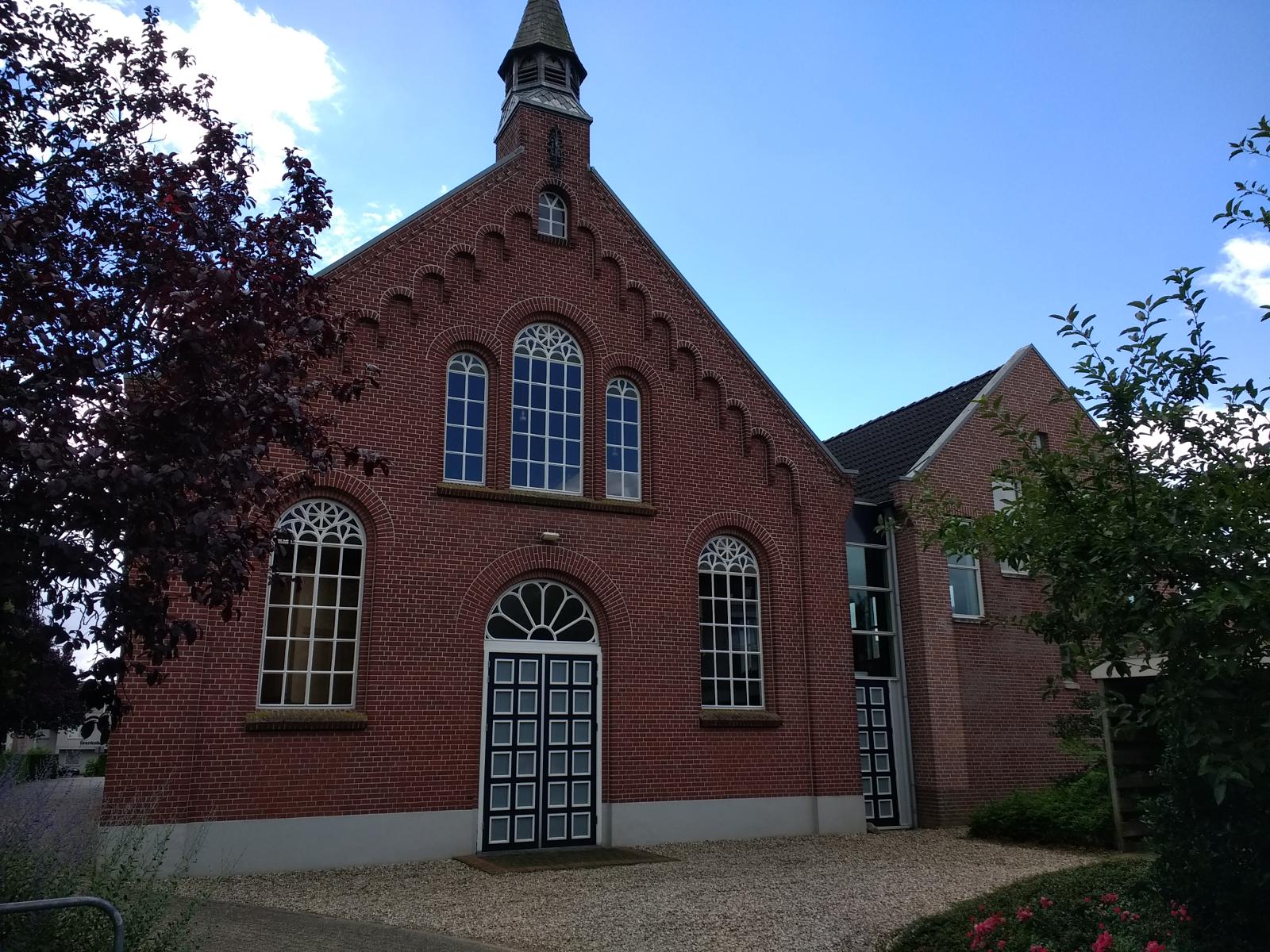
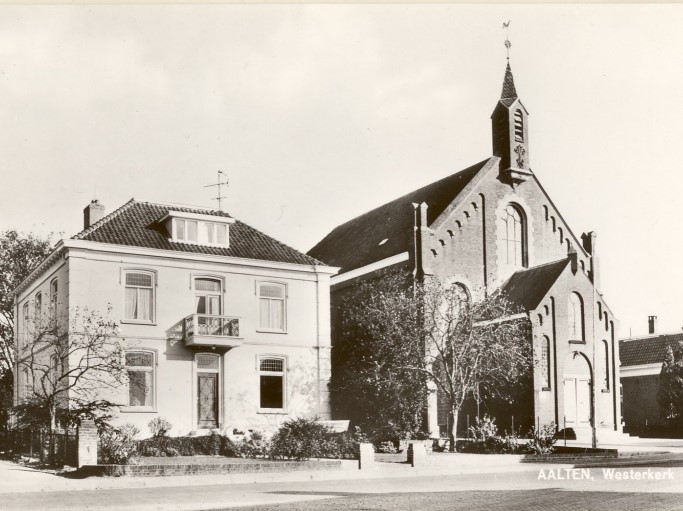
That Sunday, German SS men surrounded the Christian Reformed Church on Berkenhovestraat and the Reformed Westerkerk on Hogestraat. The male churchgoers were forced to show their identity cards. Young men between the ages of 19 and 23 were arrested and taken to the dome prison in Arnhem. Some older men were also arrested.
From Arnhem, the 48 arrested men were sent on to Camp Amersfoort or the Oranjehotel in Scheveningen. Some were put to work on farms in Germany or in factories in the Ruhr area. Others ended up in German concentration camps.
Escapes
During the war, Aalten offered shelter to 500 evacuees from Scheveningen, many of whom wore traditional costumes. Some men managed to avoid arrest by disguising themselves with a white Scheveningen hood or by hiding under a wide cloak.
In the Westerkerk, Mrs. Visser-Taal, an evacuee from Scheveningen, helped the 19-year-old Gerrit Hoopman, who had not reported for the Arbeitseinsatz, to a disguise. She gave him her overskirt, shoulder scarf and traditional hood with head iron. Disguised as a woman, Gerrit, arm in arm with other women, left the church and managed to escape.
There was also a young man who was hidden under the floor by churchgoers, on top of the heating pipes, where he stayed until the coast was clear.
Reformed Church
The plan of the Germans was to raid the Oosterkerk and the Westerkerk. When someone was asked the way to the Oosterkerk, this person got a frightening suspicion of what the occupier was planning. The Germans were misled and sent to the smaller Christian Reformed church on Berkenhovestraat. Jaap Papiermole (11 years old at the time) witnessed the robbery on the street. He says:
“On the morning of January 30, 1944, I was just coming out of a house of an acquaintance on Berkenhovestraat, when a German raid car drove up, which stopped in front of the Christian Reformed Church. The street was closed off and the Germans surrounded the church building. I have seen that they arrested men, but I don’t think the loot was that big. Mr. Bennink took pictures of what happened. The robbery car with the arrestees then drove towards the Ring Road. At that moment the air raid siren went off and I ran home, because my father was strict and had instilled in us to come home immediately in case of an air raid siren.
When I walked out of the Oosterkerkstraat, the same robbery car drove from the Damstraat towards the village. At the same time, my father came running and stopped the car. My father wore a kind of uniform jacket that belonged to the Air Protection Service. The car door opened and with a commanding voice that brooked no contradiction, father roared: ‘Ausweise sofort!’ The Germans were impressed by his harsh voice and handed over the pile of identity cards. Father walked through it, picked one out and said: ‘Dieser Mann suche ich. Er arbeitet bei mir.’ *
He walked to the back of the car and gave the order to let the person in question get out immediately. The bewildered young man got out of the car and walked with father to our house. The truck drove on to the Bredevoortsestraat. When father was in the backyard with that young guy, he said: ‘Here you have your identity card back. Get out of here.’”
* Jaap’s father H.J. Papiermole was an authorised representative at the firm of Driessen
The impact of the raid