


De Graafschapper, 18 May 1945
Letters from De Graafschap
Dear me,
I can imagine that as a former Achterhoeker, born and raised in our beautiful region, you are very curious about news from our region and how we are all doing here. It will be a pleasure for me to inform you from time to time of what has happened here and what is going to happen. Let me start by telling you that we have generally come off well here in our Achterhoek. The Tommies who came in here from the direction of Bocholt just before Easter were amazed by the friendly, apparently still prosperous country. into which, after the debris fields of Germany, they were suddenly transferred.
“You see here again an undamaged house,” said one to me, “and you see friendly people again, who laugh and wave at you! We have experienced that differently in recent months” Still, it was not given to us as a gift, don’t think so. The last six months in particular have been quite haunted here. Also in the political field. It was raid after raid. Greens, blacks, land guards, Gestapo, S.S., we have experienced all that beauty in its different variations here. Anyway, you have experienced that yourself in the city. so you know all about it. Let me rather tell you how we celebrated the liberation here, when it became known that our entire people was freed from slavery.
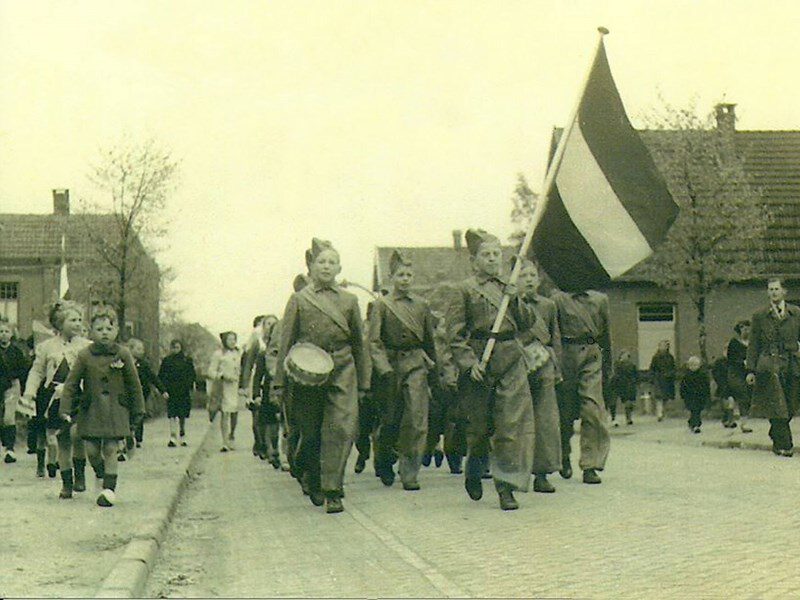
I can tell you best about Aalten, where I happened to experience it myself, but I am sure that the same enthusiasm prevailed throughout the Achterhoek. You should come to Winterwijk today, which was worn out for a hotbed of the party, right? It only now becomes clear what a “thin” layer of the population there actually kept the terror going, because there is no municipality in the Achterhoek, where you see flags as exuberantly as right there.
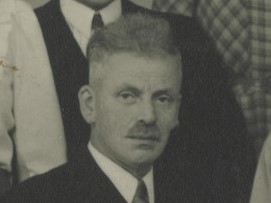
The music was immediately on his feet, you get that. In the afternoon a whole procession with children and the elderly followed through the decorated streets and it was a joy to hear a Dutch march again. The case stopped for a moment in front of Jan Wikkerink’s house. You may remember them from school in the past. And otherwise I just say “Uncle Jan”, then at least every person in hiding in the Achterhoek knows who it is. Well, that musical tribute at his doorstep was, in my opinion, exactly right. Because that’s just an ordinary contractor, isn’t it? but what a lot that man has achieved during the war years, so secretly gone.
He was quietly district head of the National Organization for People in Hiding and made sure that all those boys stayed alive and, if possible, out of the hands of the slave hunters. He and his men housed countless people there, (you know that there in Aalten they have the name hadden. dat there were as many people in hiding as inhabitants?) and where it was necessary to provide all those people with ration cards, not only city people, but also a lot of Jews and everything else, with the Gestapo on their heels, den Achterhoek came fleeing in. In cooperation with the Knock teams, many distribution offices in our area have been honored with a fruitful visit and Oome Jan always had the quiet, cautious leadership of them.
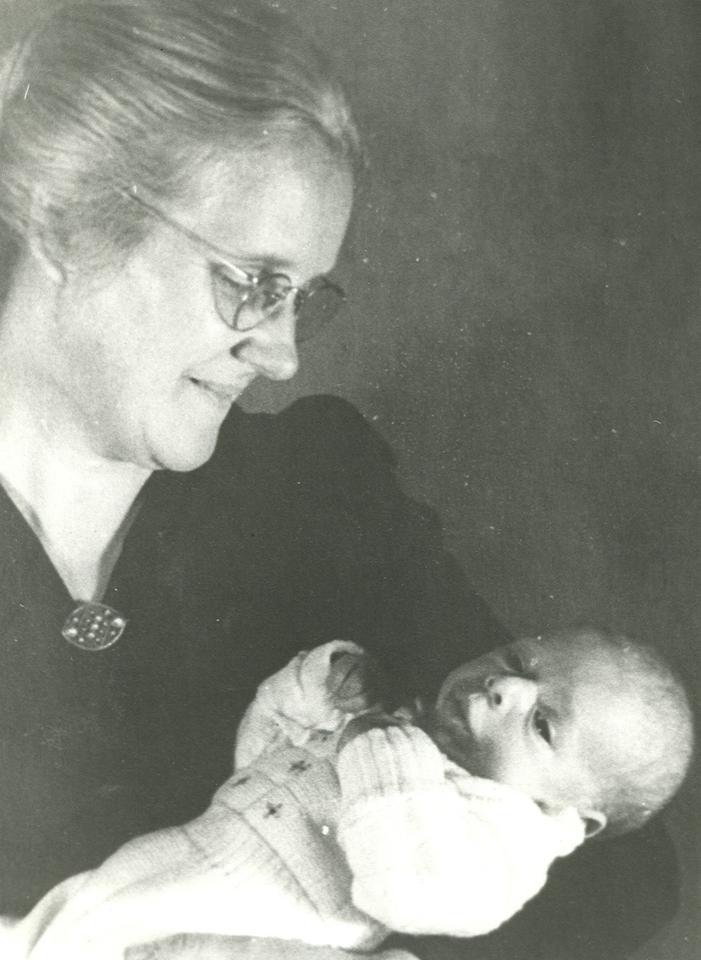
It was therefore no surprise when one night a child was abandoned on his doorstep. After all, he knew what to do with everything and everyone and he was simply the big placement agency, apparently also for babies. Anyway, the little one didn’t have to go far, he stayed at the same address, i.e. on the other side of the front door, where he was lovingly welcomed. It was exactly on the 21st of September and so the foundling was officially registered at the town hall the next morning with a straight face under the name Willem Herfstink . (After all, the suffix “ink” means “the son of” in Achterhoeksch). But on the first day of the liberation, the “Son of Autumn” returned to his own address, namely to the Jew master, who was very happy with his wife that they had kept their little one safe in such a dangerous time. You understand that that card was again pierced with real Achterhoek cleverness. The doctor had taken the child of the parents in hiding straight to Uncle Jan, who was already waiting for it behind the door.
It was a shock to the whole region when they finally got hold of Uncle Jan. If the whole region heard about it as soon as possible, because the captivity lasted only a few hours. The knock team could have put it right sooner, but they had to wait a while for the doctor for the chloroform and the sergeant on duty of the military police also had to rehearse how he should be intoxicated as really as possible. But then it was done, only the doctor was still busy for an hour and a half to call the good sergeant back to life, because the boys had worked him a bit too enthusiastically with the chloroform-dot.
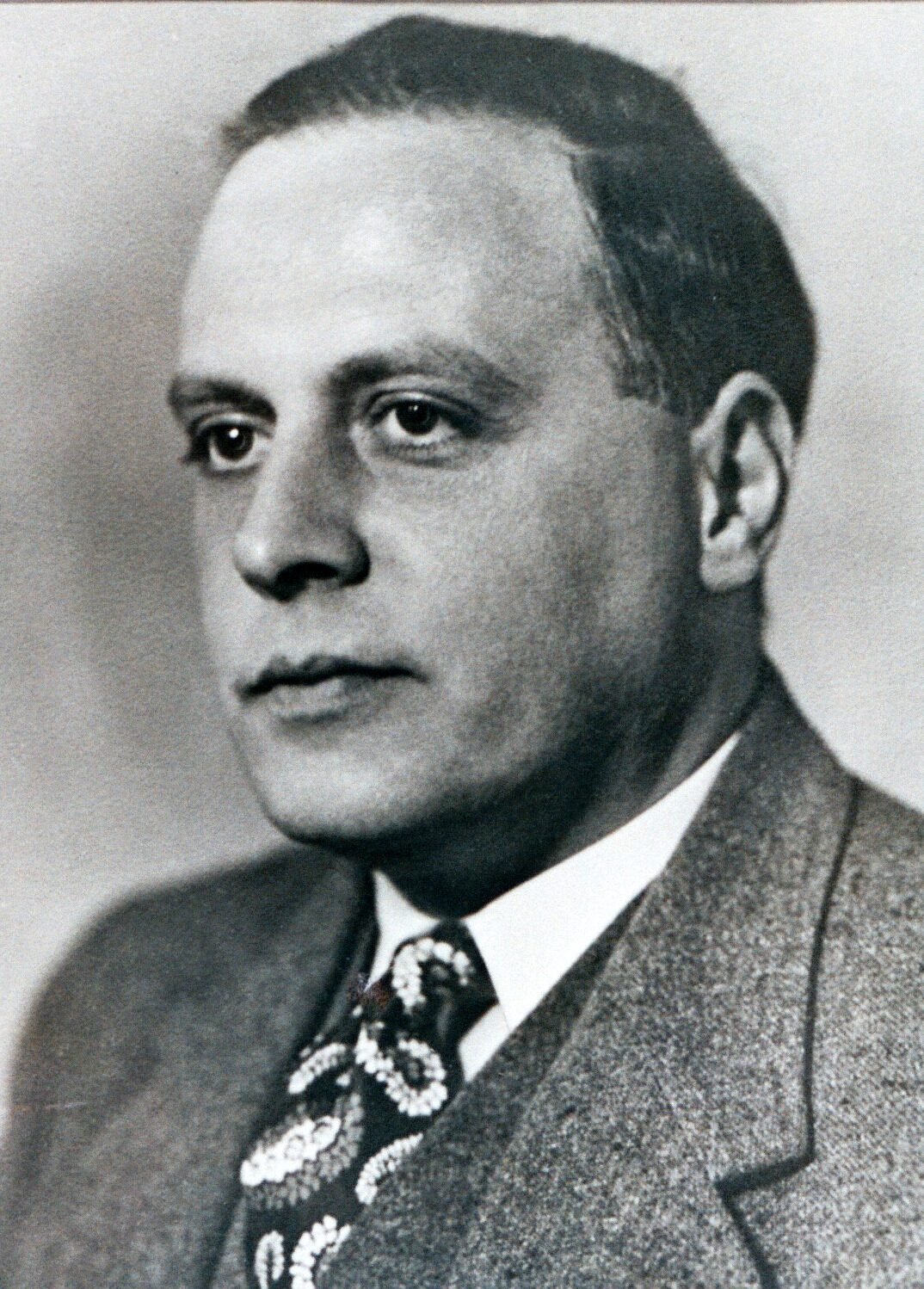
The quiet figure of Uncle Jan had since disappeared from sight, but he now had so much more time for his illegal work. The Germans were furious as usual and knew nothing better to do than to throw a few hand grenades into his house in impotent rage, which of course burned down in the end. But better the house than Uncle Jan, everyone said comforted, and so the music of the week was a spontaneous tribute from the whole population. And it was certainly also with the approval of the whole village, when later a few songs were played in front of the house of the late Dr. of the Widows, who gave so much clandestine help and in particular was a lifesaver for many boys in the camps of Bocholt and Rees. The Achterhoek knows how to celebrate, but also to sympathize with those for whom the party is impossible due to harrowing memories.
At the end of my letter, I will tell you one more example of this, which will do you good. It was in one of the hamlets that the music association went around the farms with blaring festivities. But there was a shadow over this hamlet. On the last day before the liberation, a direct hit in an air-raid shelter had snatched five children from one family, with two older evacuees, from their lives. The site of that disaster was on the main road, where the procession passed. But a hundred yards from that place the music fell silent, and they went on in silence. And there at that burned-out shelter that chorale of the 103rd Psalm was played in the moving silence of all neighbors: Like the grass is our ephemeral life… Then they quietly moved on and only at a great distance from that place the festive music was resumed.
I am writing this to you because I know it will do you good. The war has not hardened us and made us numb. There is still room in the heart of the Achterhoek for compassion and quiet piety.
See you again, you
GERT GROOTERS