


During the liberation of the Achterhoek, the Dutch National Battalion was established in Aalten on 15 April 1945. A unit that consisted of members of former Achterhoek assault groups, at that time officially called Binnenlandse Strijdkrachten (Domestic Forces), and people in hiding who had found a safe haven in Aalten and the surrounding area. The men had volunteered after a call from the Canadians. In no time they had about 400 war volunteers at their disposal, good for three companies.
Everyone knows the Princess Irene Brigade. Founded in 1941 and consisting of Dutch soldiers who had escaped to England, Dutch volunteers who were already abroad and so-called Engelandvaarders; men who made the crossing to England on their own to fight against the Germans from there. The Irene Brigade moved north from the invasion beaches, fought in France, Belgium and Zeeland and fought its last battles in the Bommelerwaard near Hedel shortly before the liberation. Less well known is the ‘Achterhoek’ unit that fought with the Canadians during their advance to the north.
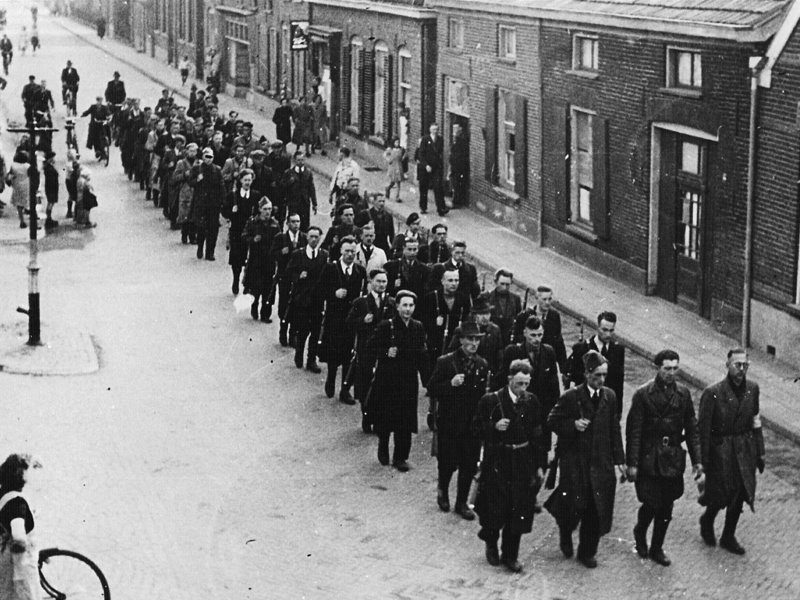
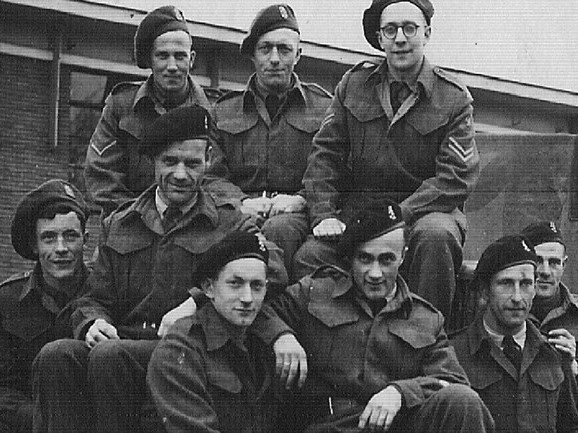
Canadians ask for and get help
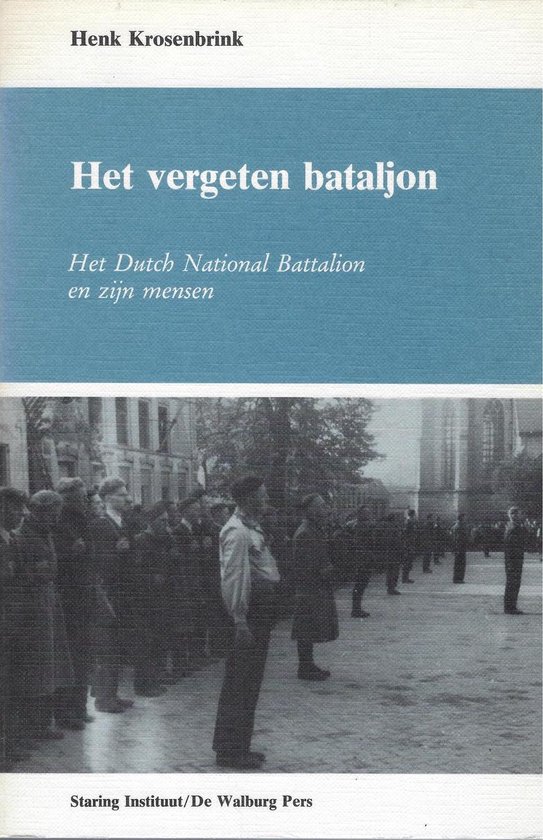
The Dutch National Battalion (DNB) had its home base in the Julianaschool in Aalten, renamed ‘Prins Bernhard Kazerne’ for the occasion. With their knowledge of the area, the members of the DNB provided valuable services to the Canadians. Equipped and armed by the Canadians, the soldiers of the DNB advanced up the IJssel, via Doesburg, Steenderen and Gorssel.
The men guarded the bridges over the IJssel and moved on to Apeldoorn. “Fierce fighting and fierce resistance,” says Arnold Somsen, member of the DNB, from Aalte in the book ‘The Forgotten Battalion’, published by the Staring Institute. “After that, it was now the end of April, the liberation army moved in the direction of Harderwijk, Bunschoten and Spakenburg. We were housed in a school. Standing guard in the evening. The Germans were still in Eemnes. So close by. Gunfights and hand grenades back and forth…”
After the liberation, the DNB was assigned to the Infantry Regiment of the Royal Netherlands Army. With that, the ‘Aalten’ battalion officially ceased to exist.